Center for the Polyurethanes Industry (CPI)
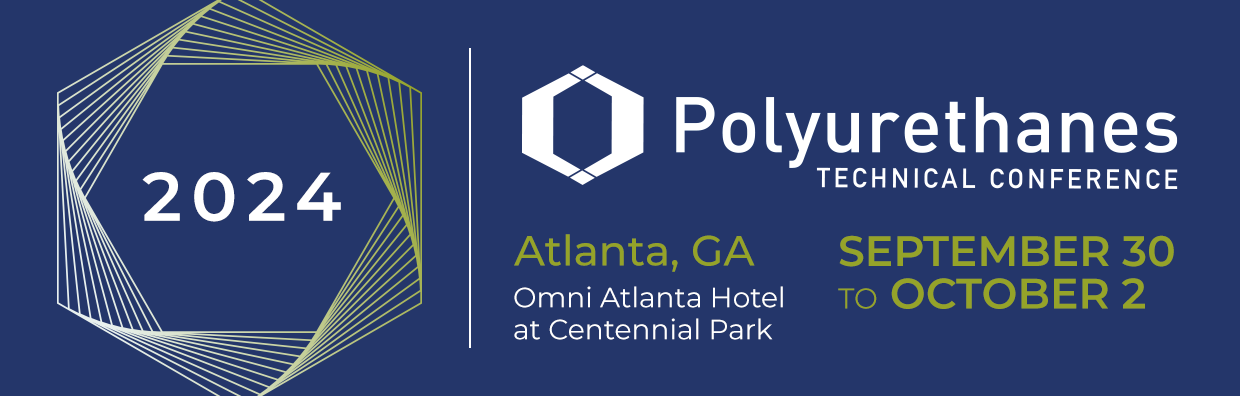
The Center for the Polyurethanes Industry’s annual Polyurethanes Technical Conference, the longest-running polyurethanes conference in North America, offers the unique convergence of industry expertise, professional networking, and regulatory insight. Fostering both technical and professional development, the Polyurethanes Technical Conference is the premier destination to preview the polyurethanes technology of tomorrow and key information for today.
The Contributions of Insulation to the U.S Economy in 2022
The use of insulation in U.S. homes and businesses saves energy by reducing the heating and cooling loads of buildings, and therefore, reducing heating and cooling costs for home and business owners. In addition, by saving energy, the use of insulation helps reduce greenhouse gas emissions otherwise associated with the heating and cooling of buildings.
Learn moreEconomic Benefits of Polyurethanes 2022
The polyurethanes industry generates upstream jobs in direct supplier industries and even more in expenditure-induced employment. Nearly five jobs are created for each job in the U.S. polyurethanes industry. This is known as the multiplier effect, where the spending activity generated by an industry is used to support other industries and jobs through purchases of supplies, equipment, services, etc. and wages to employees which are spent on consumer goods and services, housing, etc.
Learn more
2021 End-Use Market Survey
This survey is available for purchase from the ACC store and provides a breakdown of raw material demand for polyurethane markets in the United States, Canada and Mexico over a three-year period. Interested in a custom report? Contact Laura Dickemann at 202-249-6525.
Learn morePolyurethane Facts
- Polyurethanes are very versatile , allowing them to solve challenging problems, be molded into unusual shapes and enhance industrial and consumer products.
- Polyurethanes are formed by reacting a polyol with a diisocyanate or a polymeric isocyanate in the presence of suitable catalysts and additives.
- Flexible polyurethane foam accounts for about 30 percent of the entire North American polyurethane market, and is used largely for bedding, furniture and in the automotive industry.
- CPI members are leaders in product stewardship and CPI creates and shares safety and health resources for most aspects of manufacturing and processing of polyurethanes.
Join Industry Group

Interested in joining the Center for the Polyurethanes Industry?
Learn moreView More Resources

View all related resources from this industry group.
Learn moreSustainable Chemistry
Polyurethane is a highly versatile material that is durable and lightweight and can help reduce waste and consume less energy.
Learn moreCenter for the Polyurethanes Industry Members
Membership in the Center for the Polyurethanes Industry (CPI) is open to all segments of the polyurethanes industry, including raw material producers, systems suppliers, processing machinery and equipment manufacturers, as well as users and distributors of polyurethane materials who manufacture flexible or rigid foams, coatings, adhesives, sealants or elastomers.